
αφήστε ένα μήνυμα
Αν ενδιαφέρεστε για τα προϊόντα μας και θέλετε να μάθετε περισσότερες λεπτομέρειες, αφήστε ένα μήνυμα εδώ, θα σας απαντήσουμε το συντομότερο δυνατό.



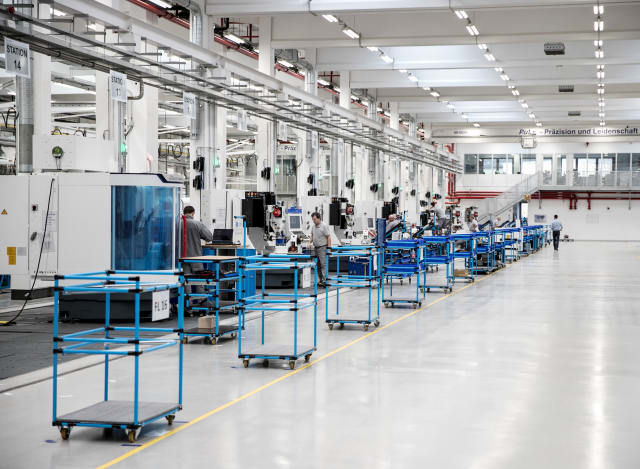
Καθώς ο ψηφιακός μετασχηματισμός συνεχίζει να αναδιαμορφώνει τον μεταποιητικό κλάδο, οι εταιρείες αντιμετωπίζουν ολοένα και πιο σύνθετες προκλήσεις στη διαχείριση της παραγωγής. Η ποικιλία των πρώτων υλών, οι περίπλοκες διαδικασίες παραγωγής, οι συχνές μετακινήσεις των εργασιών σε εξέλιξη και οι αυστηρές απαιτήσεις ιχνηλασιμότητας έχουν καταστήσει την παραδοσιακή χειροκίνητη τήρηση αρχείων και τα συστήματα που βασίζονται σε γραμμωτούς κώδικες ανεπαρκή για τις σύγχρονες παραγωγικές λειτουργίες. Η επίτευξη πλήρους ορατότητας από την παραλαβή των πρώτων υλών έως την παράδοση του τελικού προϊόντος έχει γίνει βασικός στόχος για τους κατασκευαστές που επιδιώκουν να βελτιώσουν την αποδοτικότητα, την ποιότητα και την ανταγωνιστικότητα.
Ως βασική τεχνολογία στο Διαδίκτυο των Πραγμάτων (IoT), η RFID (Ραδιοσυχνική Αναγνώριση) βοηθά τους κατασκευαστές να δημιουργήσουν διαφανή συστήματα παραγωγής μέσω ανέπαφης αναγνώρισης, δυνατοτήτων μαζικής ανάγνωσης και συλλογής δεδομένων σε πραγματικό χρόνο. Ψηφιοποιώντας και οπτικοποιώντας τις δραστηριότητες παραγωγής, η RFID επιτρέπει την πιο έξυπνη και αποτελεσματική διαχείριση της παραγωγής.
Στα παραδοσιακά περιβάλλοντα παραγωγής, τα δεδομένα παραγωγής είναι συχνά διασκορπισμένα σε διαφορετικά τμήματα και συστήματα. Η παραλαβή πρώτων υλών βασίζεται σε χειροκίνητα αρχεία, οι ροές εργασίας παραγωγής παρακολουθούνται μέσω έντυπων εγγράφων και οι πληροφορίες ποιότητας αποθηκεύονται ξεχωριστά, γεγονός που δυσκολεύει τη διοίκηση να αποκτήσει ορατότητα στις λειτουργίες σε πραγματικό χρόνο.
Αυτά τα σιλό πληροφοριών μπορούν να οδηγήσουν σε διάφορες προκλήσεις, όπως:
Ανακριβή αρχεία απογραφής
Δυσκολία στην παρακολούθηση στοιχείων που βρίσκονται σε εξέλιξη
Περιορισμένη ορατότητα στην κατάσταση παραγωγής
Αναποτελεσματική ιχνηλασιμότητα ποιότητας
Καθυστερημένη αναγνώριση προβλημάτων παραγωγής
Έλεγχοι αποθεμάτων που απαιτούν μεγάλη εργασία
Καθώς οι προσδοκίες των πελατών για την ποιότητα των προϊόντων και την ταχύτητα παράδοσης συνεχίζουν να αυξάνονται, οι κατασκευαστές χρειάζονται ολοκληρωμένα συστήματα πληροφοριών που παρέχουν κοινή χρήση δεδομένων σε πραγματικό χρόνο και πλήρη διαφάνεια των διαδικασιών.
Η τεχνολογία RFID προσφέρει μια αποτελεσματική λύση σε αυτές τις προκλήσεις.
Το ταξίδι προς τη διαφάνεια στην παραγωγή ξεκινά με τη διαχείριση των πρώτων υλών.
Όταν τα υλικά φτάνουν σε μια μονάδα παραγωγής, οι ετικέτες RFID μπορούν να προσαρτηθούν σε κάθε παρτίδα, παλέτα ή δοχείο. Αυτές οι ετικέτες αποθηκεύουν σημαντικές πληροφορίες, όπως στοιχεία προμηθευτή, αριθμούς παρτίδας, ημερομηνίες κατασκευής και προδιαγραφές προϊόντος.
Οι αναγνώστες RFID που είναι εγκατεστημένοι στα σημεία εισόδου της αποθήκης αναγνωρίζουν αυτόματα τα εισερχόμενα υλικά και καταγράφουν πληροφορίες στο σύστημα χωρίς να απαιτείται χειροκίνητη σάρωση ή εισαγωγή δεδομένων.
Σε σύγκριση με τα παραδοσιακά συστήματα barcode, το RFID προσφέρει πολλά πλεονεκτήματα:
Δεν απαιτείται οπτική επαφή
Ταυτόχρονη ανάγνωση πολλαπλών ετικετών
Ταχύτερη καταγραφή δεδομένων
Μεγαλύτερη χωρητικότητα αποθήκευσης δεδομένων
Καλύτερη αντοχή στη βρωμιά και σε σκληρά περιβάλλοντα
Οι διαχειριστές αποθήκης αποκτούν ορατότητα σε πραγματικό χρόνο σχετικά με τα επίπεδα αποθεμάτων, τις τοποθεσίες αποθήκευσης και την κατάσταση των υλικών, συμβάλλοντας στην αποτροπή καθυστερήσεων στην παραγωγή που προκαλούνται από ανακρίβειες αποθεμάτων ή ελλείψεις υλικών.
Επιπλέον, τα συστήματα RFID μπορούν να υποστηρίξουν τη διαχείριση αποθεμάτων με τη μέθοδο First-In-First-Out (FIFO), μειώνοντας τον κίνδυνο λήξης των υλικών και υπερβολικής συσσώρευσης αποθεμάτων.
Η παραγωγή είναι συχνά το πιο περίπλοκο στάδιο της παραγωγικής διαδικασίας και ο πιο κρίσιμος τομέας για την επίτευξη διαφάνειας.
Οι παραδοσιακές μέθοδοι παρακολούθησης παραγωγής εξαρτώνται συχνά από έντυπες εντολές εργασίας και χειροκίνητη εισαγωγή δεδομένων, αυξάνοντας τον κίνδυνο σφαλμάτων, παραλείψεων και καθυστερημένων ενημερώσεων.
Με την τεχνολογία RFID, οι κατασκευαστές μπορούν να αντιστοιχίσουν ετικέτες RFID σε τεμάχια εργασίας, παλέτες, κάδους ή ημιτελή προϊόντα.
Καθώς τα προϊόντα περνούν από διαφορετικά στάδια παραγωγής, οι σταθεροί αναγνώστες RFID καταγράφουν αυτόματα τις πληροφορίες των ετικετών και μεταδίδουν δεδομένα σε πλατφόρμες Συστημάτων Εκτέλεσης Παραγωγής (MES) ή σε πλατφόρμες Σχεδιασμού Επιχειρηματικών Πόρων (ERP) σε πραγματικό χρόνο.
Για παράδειγμα, κατά τη διάρκεια της ροής εργασίας:
Κοπή → Μηχανική κατεργασία → Συναρμολόγηση → Δοκιμή → Συσκευασία
Το σύστημα καταγράφει αυτόματα:
Χρόνος επεξεργασίας
Τοποθεσία σταθμού εργασίας
Αναγνώριση εξοπλισμού
Πληροφορίες χειριστή
Παράμετροι διεργασίας
Αποτελέσματα επιθεώρησης
Οι διευθυντές μπορούν να βλέπουν άμεσα την τοποθεσία, την κατάσταση και την πρόοδο των προϊόντων καθ' όλη τη διάρκεια της παραγωγικής διαδικασίας.
Αυτό όχι μόνο μειώνει τον φόρτο εργασίας χειροκίνητης εισαγωγής δεδομένων, αλλά επιτρέπει επίσης την ορατότητα της παραγωγής σε πραγματικό χρόνο σε όλο το εργοστάσιο.
Πέρα από τη συλλογή δεδομένων, η τεχνολογία RFID βοηθά τους κατασκευαστές να εντοπίζουν λειτουργικά σημεία συμφόρησης και να βελτιώνουν την κατανομή των πόρων.
Αναλύοντας τα δεδομένα παραγωγής που συλλέγονται μέσω συστημάτων RFID, οι εταιρείες μπορούν να κατανοήσουν με σαφήνεια:
Ποιες διαδικασίες διαρκούν περισσότερο
Ποιες μηχανές έχουν χαμηλό ποσοστό αξιοποίησης
Πού εμφανίζονται σημεία συμφόρησης στην παραγωγή
Για παράδειγμα, ένας κατασκευαστής μπορεί να ανακαλύψει ότι οι εργασίες συναρμολόγησης αντιμετωπίζουν συνεχώς μεγάλους χρόνους αναμονής. Οι αναλύσεις που βασίζονται σε RFID θα μπορούσαν να αποκαλύψουν ότι η ικανότητα κατεργασίας ανάντη φάσης είναι ανεπαρκής, προκαλώντας ελλείψεις υλικών στους σταθμούς συναρμολόγησης.
Με αυτή τη γνώση, η διοίκηση μπορεί να προσαρμόσει τα χρονοδιαγράμματα παραγωγής και να βελτιστοποιήσει την κατανομή των πόρων, βελτιώνοντας σημαντικά τη συνολική αποδοτικότητα.
Αυτή η προσέγγιση που βασίζεται σε δεδομένα επιτρέπει στους κατασκευαστές να ξεπεράσουν τη λήψη αποφάσεων που βασίζεται στην εμπειρία και να υιοθετήσουν την έξυπνη διαχείριση παραγωγής.
Η ποιότητα των προϊόντων παραμένει ένας από τους σημαντικότερους παράγοντες για την ανταγωνιστικότητα της μεταποίησης.
Όταν προκύπτουν προβλήματα ποιότητας, οι κατασκευαστές πρέπει να εντοπίζουν γρήγορα τις βασικές αιτίες και να εφαρμόζουν διορθωτικές ενέργειες.
Τα παραδοσιακά συστήματα ιχνηλασιμότητας συχνά απαιτούν εκτεταμένες χειροκίνητες αναθεωρήσεις αρχείων, καθιστώντας τις έρευνες αργές και επιρρεπείς σε ελλείπουσες πληροφορίες.
Η τεχνολογία RFID δημιουργεί μια μοναδική ψηφιακή ταυτότητα για κάθε προϊόν, επιτρέποντας την πλήρη ιχνηλασιμότητα του κύκλου ζωής του.
Από την προμήθεια πρώτων υλών και την επεξεργασία παραγωγής έως τους ποιοτικούς ελέγχους, την αποθήκευση και την αποστολή, όλες οι σχετικές πληροφορίες συνδέονται με την ετικέτα RFID του προϊόντος.
Εάν προκύψει κάποιο πρόβλημα ποιότητας, οι κατασκευαστές μπορούν να έχουν άμεση πρόσβαση σε λεπτομέρειες όπως:
Χρησιμοποιούμενες πρώτες ύλες
Πληροφορίες προμηθευτή
Ιστορικό παραγωγής
Εμπλεκόμενος εξοπλισμός
Υπεύθυνοι χειριστές
Αρχεία επιθεώρησης
Αυτό το επίπεδο ιχνηλασιμότητας μειώνει σημαντικά τον χρόνο έρευνας, το κόστος ανάκλησης και ενισχύει την εμπιστοσύνη των πελατών στην ποιότητα του προϊόντος.
Η τεχνολογία RFID συνεχίζει να προσφέρει αξία και μετά την ολοκλήρωση της παραγωγής.
Κατά την αποθήκευση τελικών προϊόντων, τα συστήματα RFID χειρίζονται αυτόματα την καταγραφή αποθεμάτων, την ανάθεση τοποθεσιών αποθήκευσης και τις ενημερώσεις αποθεμάτων.
Το προσωπικό της αποθήκης μπορεί να πραγματοποιεί γρήγορα καταμετρήσεις αποθεμάτων χωρίς να σαρώνει ξεχωριστά κάθε είδος.
Κατά την εκπλήρωση των παραγγελιών, τα συστήματα RFID επαληθεύουν αυτόματα ότι τα προϊόντα ταιριάζουν με τις παραγγελίες των πελατών, μειώνοντας τον κίνδυνο σφαλμάτων αποστολής.
Καθώς οι αποστολές διέρχονται από τα σημεία εξόδου της αποθήκης, οι συσκευές ανάγνωσης RFID επιβεβαιώνουν αυτόματα την ακρίβεια φόρτωσης και ενημερώνουν τα αρχεία αποθεμάτων σε πραγματικό χρόνο.
Αυτή η αυτοματοποιημένη προσέγγιση βελτιώνει την αποδοτικότητα της εφοδιαστικής, ελαχιστοποιώντας παράλληλα το ανθρώπινο λάθος.
Καθώς η Βιομηχανία 4.0 και η έξυπνη κατασκευή συνεχίζουν να εξελίσσονται, οι κατασκευαστές επενδύουν ολοένα και περισσότερο σε πρωτοβουλίες ψηφιακών εργοστασίων.
Η RFID χρησιμεύει ως κρίσιμη γέφυρα μεταξύ των φυσικών λειτουργιών και των ψηφιακών συστημάτων, καθιστώντας την θεμελιώδη τεχνολογία για έξυπνα περιβάλλοντα παραγωγής.
Με την ενσωμάτωση με συστήματα MES, ERP, WMS και SCADA, το RFID επιτρέπει την απρόσκοπτη συνδεσιμότητα μεταξύ εξοπλισμού, προσωπικού, υλικών και προϊόντων.
Μέσω μιας ενοποιημένης πλατφόρμας διαχείρισης, οι υπεύθυνοι λήψης αποφάσεων αποκτούν ορατότητα σε πραγματικό χρόνο σε:
Πρόοδος παραγωγής
Κατάσταση αποθέματος
Απόδοση εξοπλισμού
Μετρήσεις ποιότητας
Όροι εκπλήρωσης παραγγελίας
Αυτό δημιουργεί ένα ολοκληρωμένο ψηφιακό οικοσύστημα που καλύπτει τις προμήθειες, την παραγωγή, την αποθήκευση και την εφοδιαστική.
Στο σημερινό εξαιρετικά ανταγωνιστικό τοπίο της μεταποίησης, η διαφάνεια στην παραγωγή δεν είναι πλέον προαιρετική—είναι απαραίτητη. Η τεχνολογία RFID επιτρέπει στους κατασκευαστές να δημιουργήσουν μια συνδεδεμένη ροή πληροφοριών από την παραλαβή των πρώτων υλών έως την παράδοση του τελικού προϊόντος μέσω αυτοματοποιημένης αναγνώρισης, παρακολούθησης σε πραγματικό χρόνο και κοινής χρήσης δεδομένων.
Καθιστώντας τις διαδικασίες παραγωγής ορατές, ιχνηλασιμές και έξυπνες, η τεχνολογία RFID βοηθά τους κατασκευαστές να βελτιώσουν την επιχειρησιακή τους αποτελεσματικότητα, να βελτιώσουν την ποιότητα των προϊόντων και να ενισχύσουν την ανταγωνιστικότητα της αγοράς.
Καθώς η τεχνολογία RFID συνεχίζει να ενσωματώνεται με αναδυόμενες τεχνολογίες όπως η τεχνητή νοημοσύνη, τα μεγάλα δεδομένα και το Διαδίκτυο των Πραγμάτων, ο ρόλος της στην έξυπνη κατασκευή θα γίνεται όλο και πιο σημαντικός. Για τους κατασκευαστές που επιδιώκουν να επιταχύνουν τον ψηφιακό μετασχηματισμό και να δημιουργήσουν λειτουργίες έτοιμες για το μέλλον, η τεχνολογία RFID δεν είναι απλώς μια αναβάθμιση τεχνολογίας - είναι μια στρατηγική επένδυση στο μέλλον της κατασκευής.

Λεπτομερείς πληροφορίες και PDF

Επικοινωνία μέσω email υποστήριξης.

Επαγγελματική τεχνική καθοδήγηση.

Επικοινωνία μέσω email υποστήριξης.



ΣΥΝΔΕΣΜΟΣ

Youtube



 IPv6 ΥΠΟΣΤΗΡΙΖΕΤΑΙ ΑΠΟ ΔΙΚΤΥΟ
αφήστε ένα μήνυμα
Σάρωση σε Wechat/Whatsapp :